The Art of Noticing
Observation isn't a talent you're born with. It's a discipline you can practice — starting today.
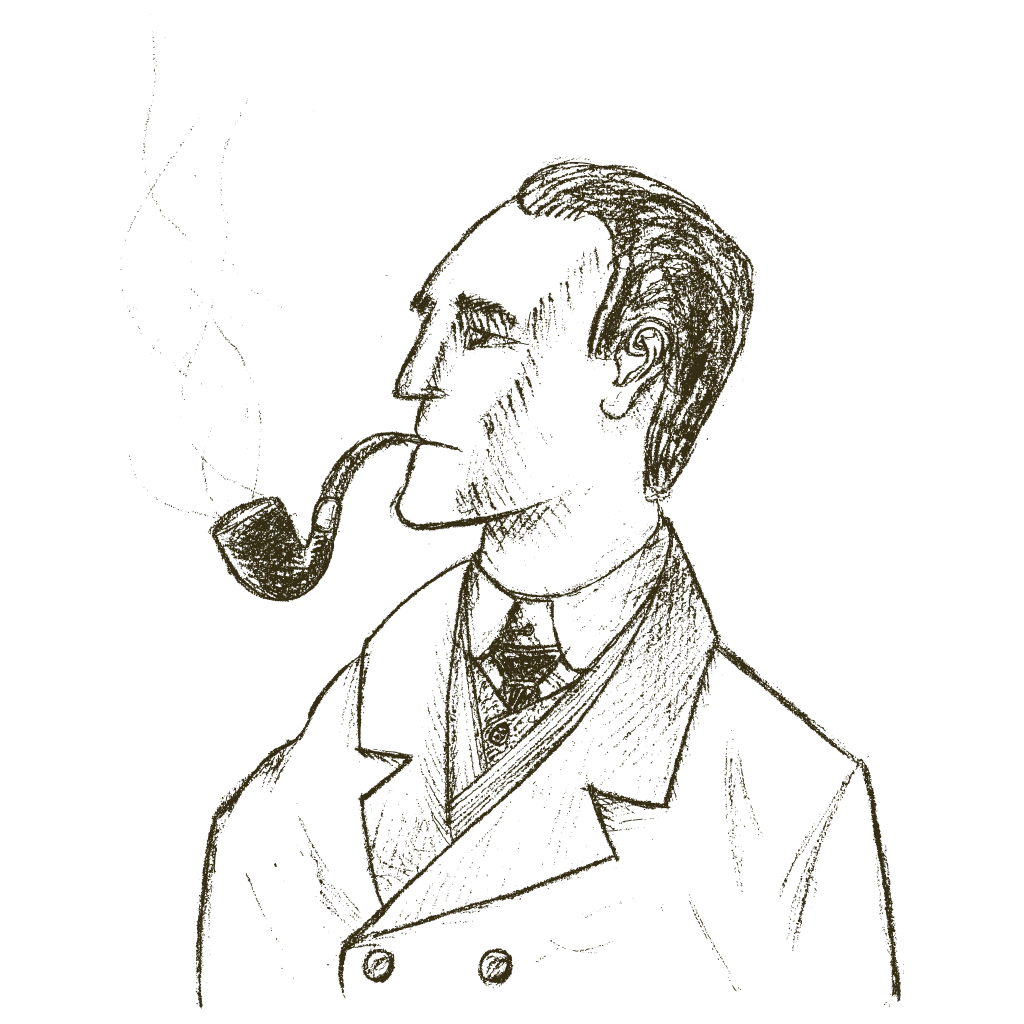
We tell a flattering story about perception: that some people are simply observant, the way some are tall. Holmes notices the mud on a trouser cuff; the rest of us notice the man was wearing trousers. The story is comforting because it lets us off the hook. If noticing is a gift, our blindness isn’t our fault.
It is our fault, mostly — and that’s the good news. Attention is trainable. The people we call observant aren’t running faster sensors. They’ve built better questions, and they ask them on purpose, in places the rest of us walk through on autopilot.
You don’t see more by trying harder to look. You see more by knowing what would be surprising — and then waiting to be surprised.
Start with a baseline. You cannot notice an anomaly without a sense of the ordinary, so the first discipline is boring on purpose: learn what normal looks like. The radiologist sees the tumor because she has seen ten thousand healthy scans. The mechanic hears the failing bearing because the engine has a song, and this verse is off-key.
Three habits that compound
The second discipline is to narrate. Say what you see in plain language, out loud or on paper, before you interpret it. “The customer churned” is a conclusion. “The customer logged in nine times the week before they left” is an observation — and it’s the observation that has a story to tell.
The third is to court the friction. The detail that doesn’t fit is not noise to be smoothed away; it’s the loose thread. Most people feel the snag and reach for an explanation that makes it disappear. The problem solver feels the snag and pulls.
None of this requires genius. It requires the willingness to slow down at the exact moment everyone else speeds up — the moment the picture almost makes sense. That’s where the case is, every time: in the small wrongness you were about to forgive.